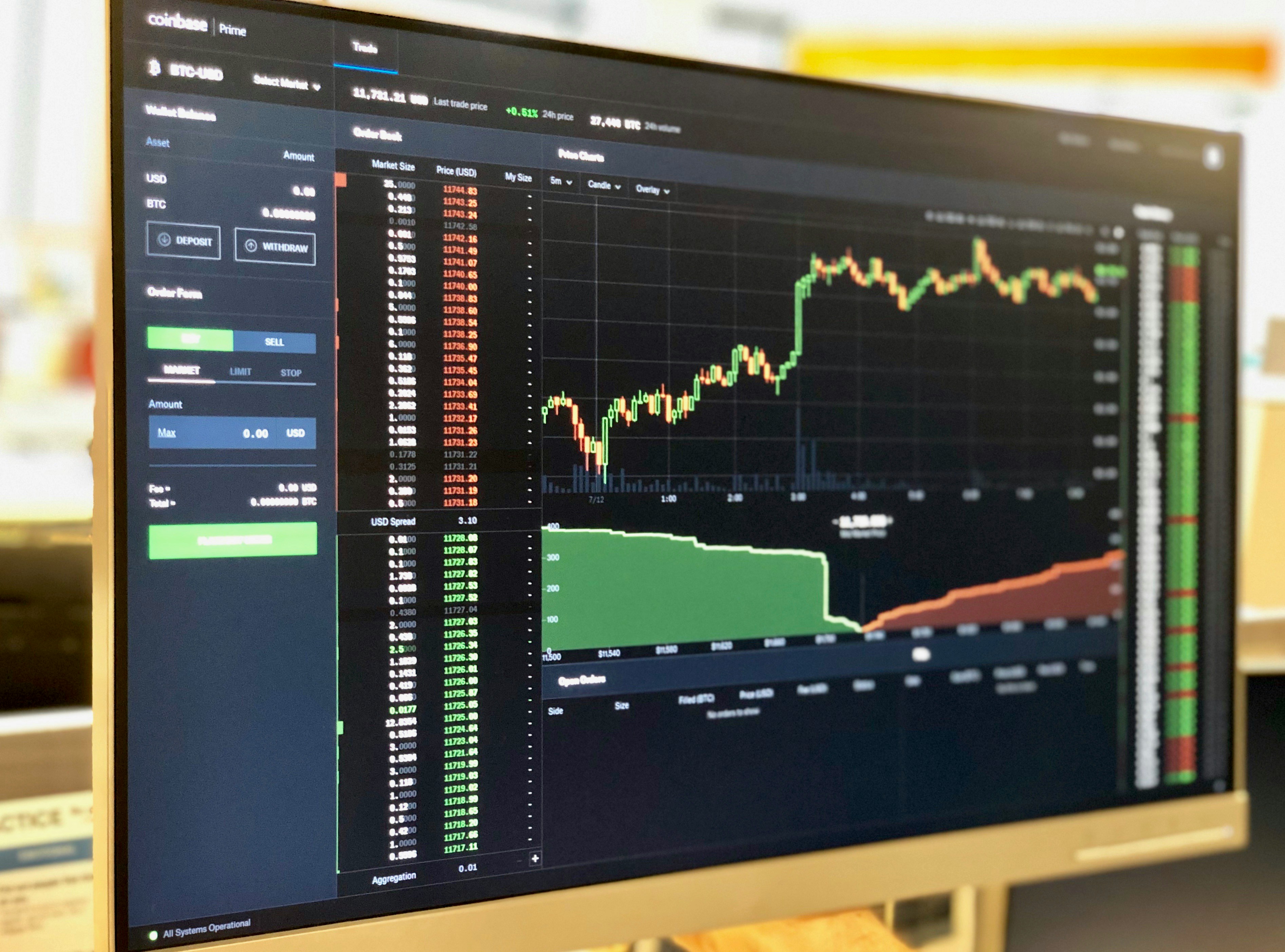
Introduction to Bitcoin’s Price Journey
Bitcoin, the pioneering cryptocurrency, has had a tumultuous price journey since its inception in 2009. Initially valued at mere cents, it gradually gained traction, leading to significant price movements that would shape the cryptocurrency market. Noteworthy milestones include its first major surge in late 2013, when Bitcoin reached approximately $1,200, a price point that drew widespread media attention. However, following this peak, the price plummeted, illustrating the volatility that would become characteristic of Bitcoin.
Fast forward to December 2017, Bitcoin achieved its first all-time high of nearly $20,000, a milestone driven by increased mainstream adoption, excitement around blockchain technology, and a surge of retail investor interest. This unprecedented growth was, however, followed by a dramatic crash, with Bitcoin plummeting to around $3,200 by the end of 2018. Such fluctuations have led many to analyze the factors influencing Bitcoin’s price trajectory, including regulatory developments, market sentiment, technological advancements, and macroeconomic conditions.
The most recent notable peak occurred in November 2021, when Bitcoin reached an astonishing price of approximately $69,000. This surge was fueled by institutional investments, greater acceptance among online merchants, and the emergence of Bitcoin as a potential hedge against inflation. As we approach May 2025, Bitcoin’s price dynamics remain influenced by a complex interplay of both internal factors—such as technological updates and network security—and external variables, including regulatory policies and geopolitical events. Understanding this historical context is essential for predicting whether Bitcoin is poised to break the $100,000 mark, providing valuable insights into the current market conditions that could affect its future trajectory.
Expert Opinions and Forecasts
As Bitcoin continues to gain traction as a dominant asset in the cryptocurrency space, insights from industry analysts and economists become crucial in understanding its potential trajectory towards the $100,000 mark. Many experts believe that several key factors will drive Bitcoin’s price fluctuations in the coming months leading up to May 2025.
One prevalent opinion comes from notable crypto analysts who emphasize the importance of institutional adoption. A growing number of institutional investors are beginning to treat Bitcoin as a legitimate asset class, which they anticipate may lead to an influx of capital into the market. Analysts like Mike Novogratz suggest that if this trend continues, it could propel Bitcoin towards achieving new all-time highs, including the critical milestone of $100,000.
Other industry experts focus on global regulatory developments as a significant influence on Bitcoin’s price. Regulatory clarity from jurisdictions worldwide may create a more favorable environment for both investors and companies alike. If governments adopt a supportive stance towards cryptocurrencies, particularly Bitcoin, analysts predict this could serve as a catalyst for increased retail interest, pushing prices higher. Conversely, unfavorable regulations could have the opposite effect, creating market uncertainty.
Furthermore, economic conditions and macroeconomic trends also play an essential role in Bitcoin’s potential ascension. With ongoing inflation concerns and currency devaluation in various parts of the world, some economists argue that Bitcoin may act as a hedge against economic instability. This perspective suggests that if economic conditions worsen, more investors may turn to Bitcoin, driving demand and contributing to its price movement toward $100,000.
The consensus among experts indicates a cautious but optimistic outlook on Bitcoin’s future. By understanding the interplay of institutional adoption, regulatory developments, and macroeconomic factors, investors can gauge the potential for Bitcoin to reach significant price milestones in the approaching years.
Understanding Historical Seasonality
Analyzing the historical performance of Bitcoin during the month of May provides valuable insights into potential price movements and market behavior. Over the years, Bitcoin has exhibited pronounced seasonal trends that investors closely monitor. For instance, several Mays have witnessed significant price rallies, which can be attributed to a combination of factors, including increased market activity, the influx of new investors, and favorable macroeconomic conditions.
In both 2020 and 2021, Bitcoin experienced notable price surges in May. Specifically, in May 2021, Bitcoin soared to an all-time high exceeding $60,000, primarily driven by heightened institutional investment and mainstream media attention. Conversely, in May 2022, Bitcoin faced a sharp decline, influenced by broader market corrections and regulatory scrutiny that triggered panic selling among traders. This contrasting performance underscores the importance of examining not only significant price increases but also potential downturns during this month.
Furthermore, anecdotal evidence suggests a correlation between Bitcoin’s performance in May and events within the cryptocurrency ecosystem, such as halving events and major upgrades in blockchain technology. For instance, the halving event in May 2020 significantly influenced investor sentiment, resulting in an expansive price rally that persisted for the following months. Such historical patterns reveal that May can be pivotal for Bitcoin’s yearly trajectory and warrant close observation.
To effectively gauge Bitcoin’s potential price behavior in May 2025, it is crucial to incorporate historical price data analysis, keeping in mind previous seasonal trends, investor sentiment, and external macroeconomic factors. This comprehensive view allows investors to make informed predictions about the cryptocurrency’s trajectory while also preparing for potential volatility that may arise during this period.
Technical Analysis Overview
The technical analysis of Bitcoin serves as a crucial framework for understanding its price movements, especially as we approach May 2025. Key indicators such as trend lines, support and resistance levels, and moving averages play pivotal roles in assessing potential bullish or bearish trends. Analysts often rely on these tools to gauge market sentiment and forecast future movements accurately.
Trend lines are essential in visualizing the overall direction of Bitcoin’s price action. By drawing lines that connect two or more significant price points, analysts can identify upward or downward trends. A break above a descending trend line could signal a potential shift towards a bullish market, while a break below an ascending trend line might indicate a bearish reversal. In the context of the current market, Bitcoin has demonstrated notable resilience, suggesting a firm support line that remains intact. This ongoing strength may provide a strategic entry point for investors, particularly if we observe sustained upward momentum as we approach May 2025.
Support and resistance levels further refine this analysis. A support level indicates where buying interest surfaces, preventing the price from declining below this mark. Conversely, resistance levels serve as barriers where selling interest tends to increase, hindering further price ascension. Recent Bitcoin trading has revealed critical resistance levels around $80,000, necessitating a robust breakout for movement towards the coveted $100,000 milestone. If the price manages to break through these levels, it may accelerate bullish momentum, drawing more investors into the market.
Moving averages are another indispensable tool in technical analysis. They smooth out price data to identify trends over specific time frames. Bitcoin’s 50-day and 200-day moving averages, in particular, are commonly scrutinized for generating buy or sell signals. A bullish crossover, where the shorter moving average crosses above the longer one, can indicate a potential rally, while a bearish crossover may suggest an impending decline.
Current Market Sentiment
The cryptocurrency market is known for its volatile nature, and investor sentiment plays a crucial role in determining price movements. As of May 2025, there are several indicators that reflect the current sentiment regarding Bitcoin. Firstly, social media platforms have seen a surge in discussions about Bitcoin’s potential to reach the $100,000 milestone. Influential figures within the crypto community, including traders and analysts, are actively engaging in dialogues that express optimism about Bitcoin’s future. Sentiment analysis across Twitter, Reddit, and various crypto forums indicates a growing confidence among retail investors, while institutional players remain cautiously optimistic.
Furthermore, recent market news has also played a significant role in shaping investor sentiments. Several reports highlight increasing institutional investments in Bitcoin, which contribute to a bullish outlook. The announcement of new financial products, such as Bitcoin exchange-traded funds (ETFs), is generating excitement among investors, further enhancing positive sentiment. Economic factors, including inflation concerns, have led many to see Bitcoin as a hedge against traditional economic uncertainties, reinforcing its appeal among traders.
Additionally, data from trading platforms indicates an uptick in buying activity, with the number of Bitcoin transactions increasing in recent weeks. Trading volume is also on the rise, signaling a robust interest from both new and experienced investors. This influx of transactions suggests that many traders are positioning themselves for potential upward price movement, which may put further upward pressure on Bitcoin as it moves towards the coveted $100,000 threshold.
In summary, the current market sentiment surrounding Bitcoin is cautiously optimistic. With active discussions on social media, increasing institutional interest, and an uptick in trading volumes, investors are seemingly preparing for Bitcoin’s potential to reach and possibly exceed the $100,000 mark in the near future.
Regulatory and Economic Factors
The landscape surrounding Bitcoin is heavily influenced by regulatory and economic factors, which play a pivotal role in shaping its market dynamics. As the cryptocurrency continues to gain traction among institutional and retail investors alike, regulatory clarity becomes crucial. Governments across the globe are increasingly establishing frameworks to address cryptocurrency, driving both legitimacy and caution in the market. Countries that embrace progressive regulations tend to create an environment conducive to Bitcoin adoption, while stringent regulations can stifle growth and lead to market instability. For instance, the introduction of favorable taxation policies or clear guidelines for Initial Coin Offerings (ICOs) can catalyze investment, ultimately benefiting Bitcoin’s trajectory.
In conjunction with regulatory factors, broader economic conditions significantly affect Bitcoin’s price. Inflation rates have garnered attention among investors as a potential driver of Bitcoin value, given its positioning as a scarce asset. As fiat currencies face depreciation pressures, Bitcoin is often perceived as a hedging tool against inflation, enhancing its appeal as a store of value. Moreover, interest rates play a critical role; low-interest environments encourage riskier asset purchases, including cryptocurrencies. Should central banks maintain low rates to stimulate economies, this could lead to an influx of capital into Bitcoin and innovative blockchain projects.
Conversely, high inflation and increasing interest rates may create a challenging environment for Bitcoin. If traditional investment vehicles yield attractive returns, the incentive to allocate capital towards Bitcoin may diminish. Therefore, monitoring central banks’ monetary policies and economic indicators becomes essential for investors seeking to understand potential price movements leading into May 2025. The interplay of regulatory developments and economic factors will ultimately dictate the growth trajectory of Bitcoin as it approaches significant price milestones.
Comparison with Other Cryptocurrencies
As of May 2025, Bitcoin continues to hold its position as the leading cryptocurrency by market capitalization, but its dominance is increasingly being challenged by a variety of altcoins. Cryptocurrencies such as Ethereum, Binance Coin, and Cardano have demonstrated significant advancements in technology and utility, thereby gaining market traction. Analyzing Bitcoin’s performance in comparison to these altcoins can yield insights into potential future trends and market sentiment.
Ethereum, for instance, has carved out its niche as the dominant platform for smart contracts and decentralized applications. The improvements in its scalability and transaction speed through upgrades like Ethereum 2.0 have made it a formidable competitor to Bitcoin. During this period, Ethereum’s price movements and overall market activity could provide bullish indications or create a ripple effect that influences Bitcoin’s trajectory. Should Ethereum continue to perform well, it might encourage more investors to transition into Bitcoin, considering it a more stable option.
Similarly, Binance Coin has gained popularity due to its association with one of the largest cryptocurrency exchanges in the world and its utility within that ecosystem. As Binance Coin continues to ascend, its impact on Bitcoin’s perceived value cannot be overlooked. The dynamics between altcoin performance and Bitcoin’s price may reveal underlying market sentiments, reflecting broader investor confidence in the crypto market.
Cardano, known for its focus on sustainability and academic research, has also gained ground, drawing attention as a more environmentally friendly alternative. The movements of such altcoins can serve as indicators for Bitcoin’s potential future performance. As investors assess the evolving landscape of cryptocurrencies, Bitcoin’s historical stability, security, and market presence may provide reassurance amidst market fluctuations.
In conclusion, while Bitcoin remains a leading choice, its comparative analysis against other cryptocurrencies reveals that market dynamics are constantly shifting. The performance of altcoins like Ethereum, Binance Coin, and Cardano could significantly influence Bitcoin’s trajectory moving forward.
Challenges Ahead for Bitcoin
As Bitcoin strives to reach the ambitious target of $100,000 by May 2025, it is essential to acknowledge the myriad of challenges it faces in its journey. One of the primary hurdles is market volatility, which has been a consistent characteristic of cryptocurrency markets. Bitcoin’s price tends to be exposed to sudden fluctuations caused by various factors, including speculative trading, regulatory news, and macroeconomic changes. Such volatility can deter potential investors, especially those with a low-risk appetite, and may hinder Bitcoin’s growth momentum.
Another crucial challenge lies in shifting investor sentiment. The cryptocurrency market is particularly sensitive to public perception and media coverage. A major positive development can spur enthusiasm and lead to increased investment; conversely, negative news can provoke panic selling. The Bitcoin ecosystem must consistently cultivate a favorable narrative to maintain interest and confidence among investors. Additionally, negative trends in traditional financial markets may have a spillover effect on Bitcoin, as investors often seek refuge in assets they perceive as stable.
Technological advancements from competing cryptocurrencies and blockchain projects also pose a significant threat to Bitcoin’s dominance in the marketplace. Numerous altcoins have emerged with innovative features, such as faster transaction speeds, improved scalability, and enhanced privacy. If these competitors manage to capture market interest and provide compelling advantages, it may detract from Bitcoin’s unique value proposition.
Lastly, unforeseen global events, including economic downturns, political instability, or changes in regulation, can affect Bitcoin’s trajectory significantly. The potential for restrictive policies or outright bans in critical markets can adversely impact prices and investor confidence. In this complex landscape, Bitcoin must navigate these challenges effectively to keep its ambitions intact and work towards the coveted $100,000 milestone.
Conclusion: The Path Forward
As Bitcoin approaches the significant threshold of $100,000, experts and market analysts have delivered a plethora of insights that inform the outlook for this leading cryptocurrency. The discussions have predominantly focused on Bitcoin’s increasing institutional adoption, macroeconomic factors such as inflation and monetary policy, and the evolving regulatory landscape which may impact its ascent. The consensus among various analysts suggests that the $100,000 mark is not merely a psychological barrier, but a forecasted reality based on Bitcoin’s historical growth patterns and the current market sentiment.
Market analysts posit that Bitcoin’s intrinsic value could strengthen as it garners more acceptance across mainstream financial platforms. Furthermore, the potential for inflationary pressures in the traditional economy may lead investors to seek refuge in alternative assets like Bitcoin, increasing its demand and pushing the price trajectory upward. Notably, institutional investment has been on the rise, with major firms increasingly adding Bitcoin to their portfolios, further validating its role as a store of value.
However, it is crucial to remain cognizant of potential headwinds that could impede Bitcoin’s growth. Regulatory interventions, particularly in major markets, could create volatility and affect investor confidence. Additionally, macroeconomic challenges, such as a sudden economic downturn or shifts in interest rates, could have varying effects on investor behavior and market performance. Investors should pay close attention to these dynamics as they unfold.
Ultimately, Bitcoin’s journey towards the coveted $100,000 milestone may be influenced by various factors, including technological advancements, trading volume fluctuations, and investor sentiment. Keeping abreast of these developments will be essential for anyone interested in the cryptocurrency market. As we move into the latter half of 2025, the key will be to remain alert to these changes, embracing informed decision-making in what remains a rapidly evolving landscape.