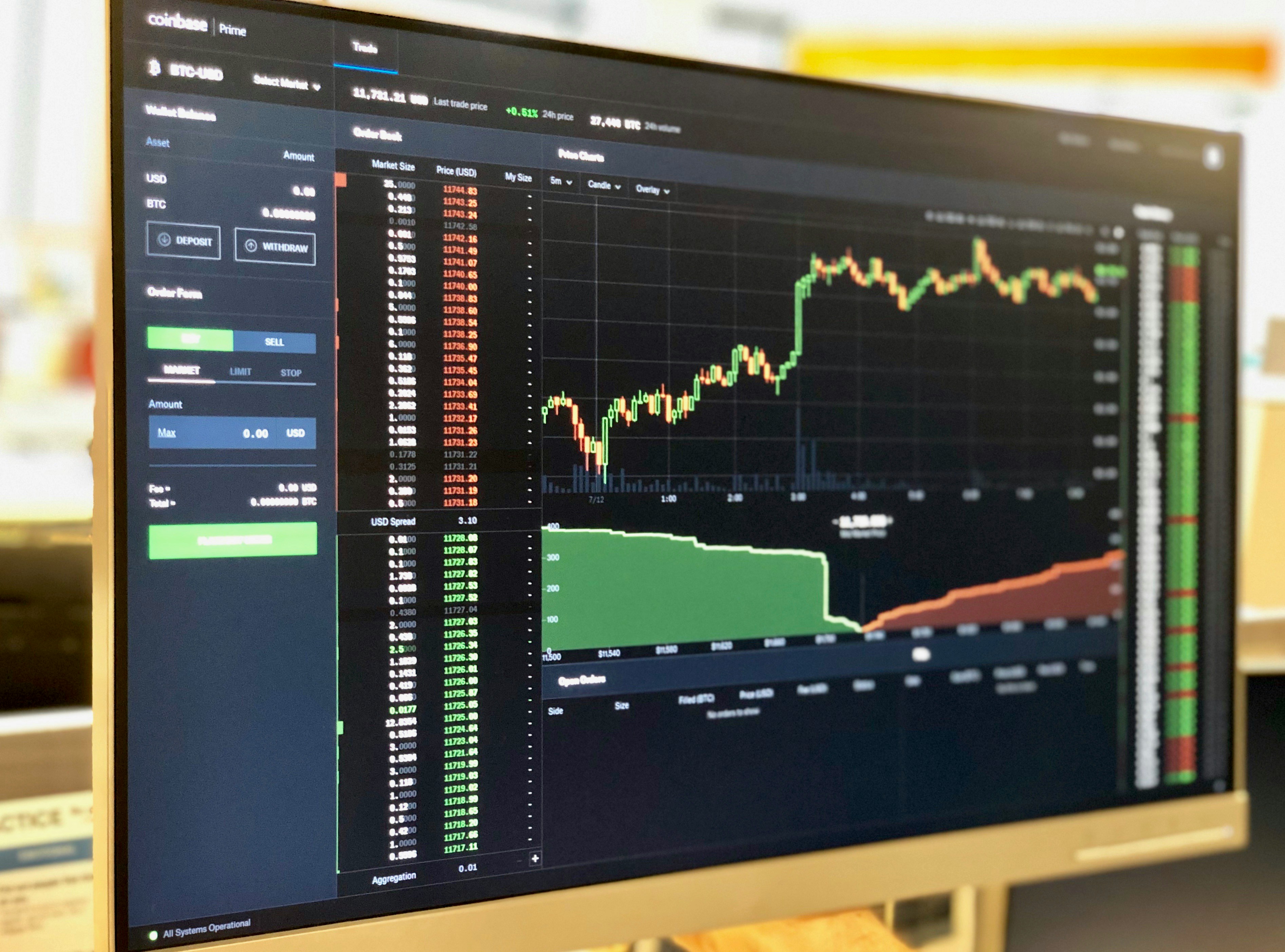
Overview of Bitcoin’s Current Landscape
As of late 2023, Bitcoin continues to establish itself as the leading cryptocurrency in a rapidly evolving market. Its market capitalization has consistently fluctuated around a significant threshold, reflecting both investor sentiment and macroeconomic influences. Recent data shows Bitcoin trading at approximately $40,000, a notable benchmark that indicates market recovery after previous volatility.
In the past year, Bitcoin has exhibited a mix of price trends, including sharp surges and corrections. Noteworthy events such as regulatory announcements and technological advancements within its network have played a pivotal role in shaping these price movements. Market participants observe a cumulative effect of these factors, influencing not only Bitcoin’s price but also broader cryptocurrency trends. The overall cryptocurrency market capitalization, which encompasses thousands of other digital assets, is impacted synchronously, with Bitcoin often acting as a bellwether for the market.
The global economic conditions in 2023 have also contributed to Bitcoin’s landscape. Factors such as inflation, shifts in monetary policy, and geopolitical tensions have heightened interest in alternative assets, driving both retail and institutional investment into Bitcoin. Increased acceptance among businesses as a mode of transaction and potential store of value contributes to the prevailing bullish sentiment. However, regulatory scrutiny remains a double-edged sword, as potential policies from governmental authorities could either bolster confidence or induce more volatility in Bitcoin’s price.
Understanding the current state of Bitcoin, including its price trends and external influences, is crucial for projections regarding its future. Given the interconnectedness of global markets and economic factors, stakeholder analysis becomes essential for anticipating Bitcoin’s trajectory toward 2025 and beyond. The progression of Bitcoin amidst these complexities serves as a foundation for future price predictions and potential milestones in its market journey.
Analysts’ Predictions for 2025
As the cryptocurrency market continues to evolve, analysts have become increasingly optimistic about Bitcoin’s price trajectory, particularly for the year 2025. Several financial analysts predict that Bitcoin could reach between $145,000 and $200,000 by the end of this forecast period. This bullish outlook is driven by a combination of market sentiment, ongoing technological advancements, and influential macroeconomic variables.
One significant factor shaping these predictions is the growing acceptance of Bitcoin among institutional investors. With a greater number of hedge funds, family offices, and even publicly traded companies incorporating Bitcoin into their portfolios, the demand for the cryptocurrency is expected to rise. This influx of institutional money could bolster Bitcoin’s legitimacy as a store of value, further pushing its price upward.
Additionally, technological advancements could play a crucial role in Bitcoin’s ascension. Innovations aimed at improving transaction speeds, reducing fees, and enhancing scalability may attract more users and investors, aiding in the price appreciation. The development of the Lightning Network, for example, aims to facilitate faster transactions and a better user experience, potentially increasing Bitcoin’s mass adoption.
Macroeconomic conditions, such as inflationary pressures and currency devaluation, are also significant factors influencing Bitcoin’s price predictions for 2025. In recent years, many investors have turned to Bitcoin as a hedge against inflation and economic uncertainty. As global economic challenges persist, the perceived value of Bitcoin as a ‘digital gold’ could further solidify, encouraging even more investment and speculation.
These varied factors illustrate the complexity behind price predictions and the importance of a multi-faceted approach in making informed forecasts. Analysts rely on comprehensive data analysis, market trends, and historical performance when developing their predictions. The interplay of these elements will likely yield a dynamic landscape for Bitcoin, making it an intriguing subject for both investors and analysts alike.
Factors Driving Bitcoin’s Value in 2025
The potential for Bitcoin to reach a price of $200,000 by mid-2025 is contingent upon several key drivers that affect its overall market performance. One of the most significant factors is the inflow of Exchange-Traded Funds (ETFs) into the Bitcoin market. ETFs provide mainstream investors with a regulated and easily accessible way to invest in Bitcoin without the complexities of directly purchasing the cryptocurrency. This influx can lead to heightened demand, driving prices upward and enhancing market stability. Consequently, as more ETFs are approved and launched, the legitimacy of Bitcoin as a credible investment option becomes further solidified.
Another crucial element impacting Bitcoin’s value is the increasing adoption by institutional investors. Large financial institutions and corporations are starting to recognize the value of cryptocurrencies as an asset class, diversifying their portfolios to include Bitcoin. This trend not only boosts demand but also helps impart a sense of credibility and stability to the cryptocurrency market. As institutions invest, they often bring with them greater resources, enhanced liquidity, and improved infrastructure, all of which contribute to a more robust market environment.
Moreover, regulatory changes play a vital role in shaping the future of Bitcoin’s value. Positive regulatory frameworks can foster innovation and encourage adoption, while unfavourable regulations may stifle growth. The ongoing dialogue among policymakers regarding cryptocurrency regulations will be critical in determining Bitcoin’s trajectory. Additionally, advancements in blockchain technology, including improvements in scalability and transaction efficiency, could pave the way for broader adoption of Bitcoin across various sectors, thereby increasing its utility and value.
Lastly, the growing acceptance of cryptocurrencies in everyday transactions may act as a significant catalyst for Bitcoin’s rise in value. As businesses and consumers begin to embrace Bitcoin for payment solutions, its demand will likely surge, further influencing price trajectories in the coming years.
Potential Risks and Market Volatility
The allure of Bitcoin as a digital currency often attracts significant public and investor interest, especially in the context of ambitious price predictions such as reaching $200,000 by 2025. However, it is essential to consider the inherent risks and volatility that accompany these forecasts. Bitcoin has demonstrated substantial fluctuations in its price over the years, largely influenced by market sentiment, technological advancements, and external economic factors.
One of the key contributors to Bitcoin’s volatility is its relatively small market capitalization compared to traditional financial assets. This aspect makes Bitcoin more prone to rapid price swings, as even a moderate amount of trading volume can lead to significant price changes. Historical data showcases periodic market corrections where Bitcoin has experienced substantial declines following peaks, usually driven by profit-taking or shifts in investor sentiment. These corrections serve as reminders that while there is potential for high returns, the risk of substantial losses is equally present.
External market influences also play a critical role in Bitcoin’s price dynamics. Global economic events, such as inflation trends, currency fluctuations, or crises in traditional financial systems, can directly affect investor confidence in cryptocurrencies. Additionally, geopolitical events, ranging from international conflicts to changes in monetary policies, can create uncertainty that may lead to increased market volatility.
Regulatory actions from governments around the world further complicate the landscape for Bitcoin investors. As authorities grapple with how to approach digital currencies, announcements regarding regulatory frameworks can lead to swift price movements. For instance, stricter regulations could dampen investor enthusiasm, while supportive frameworks might encourage market growth.
Technological challenges, including security concerns and scalability issues, also pose risks to Bitcoin’s trajectory. As the landscape continues to evolve, it is vital for investors to remain informed and approach Bitcoin predictions with caution. Understanding these potential risks and their implications is crucial for anyone considering involvement in the cryptocurrency market.